
Throughput without the drift.
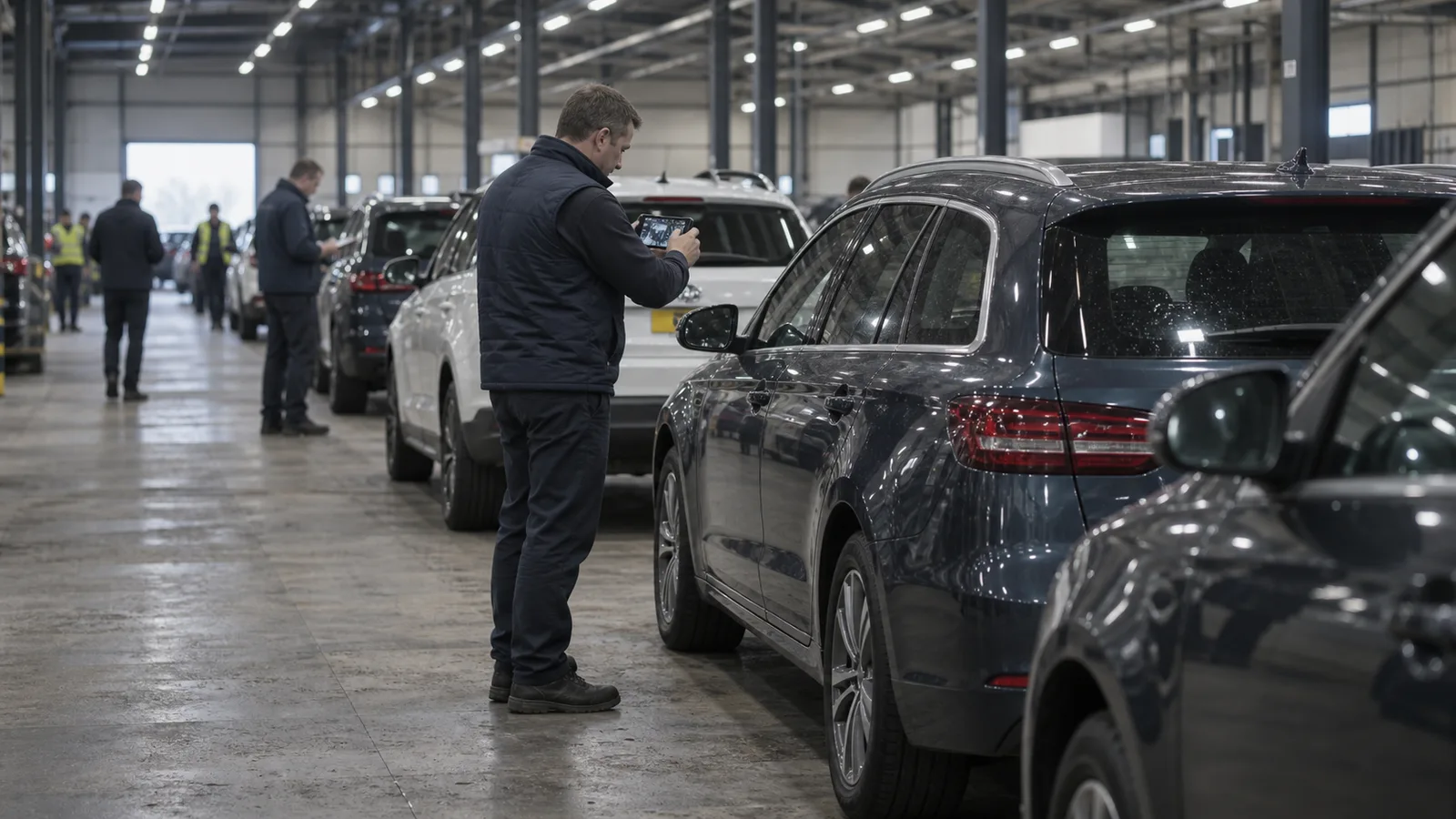
A guided walkaround takes about a minute, and the grade is worked out from the findings by written rule rather than by whoever holds the phone. Condition reports stop depending on who was on shift.
What a lane dispute looks like with the evidence attached
The buyer questions a Grade 3. The assessor opens the finding, not a memory.
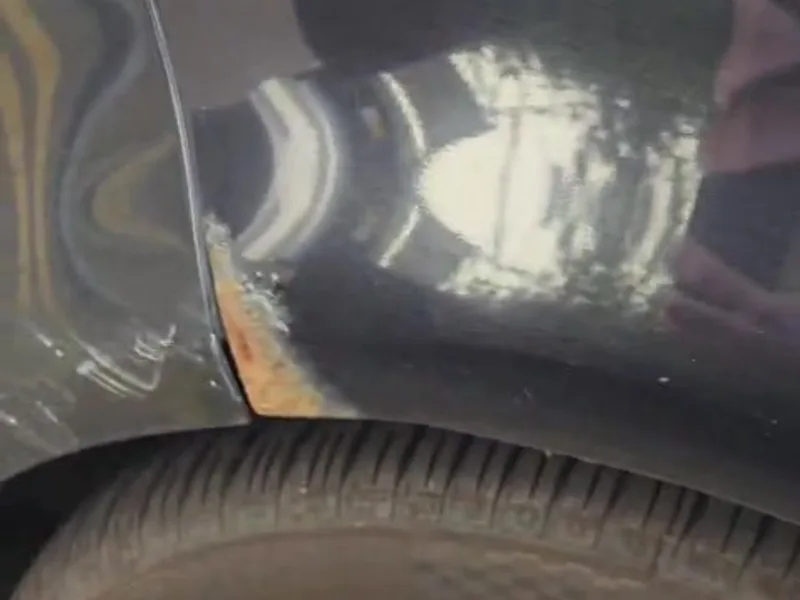 Frame 0:42
A car through the lane, step by step
- STEP 1Film it where it standsThe assessor opens the app on a phone and follows the guided route: plate, odometer, eight panel stops, engine. About a minute, with motion, blur and poor light flagged while there is still time to refilm.
- STEP 2Walk to the next carThe footage streams up as it is filmed and analysis runs on the server. The assessor can close the tab and carry on down the row; the report is waiting when they come back to it.
- STEP 3Grade by ruleFindings are placed on a panel, measured, priced from the repair matrix where a rate exists, and tied to the second of video they were seen in. The NAMA grade is worked out from those findings by written rule, with the reasoning listed.
- STEP 4Correct what the camera missedSomeone at the car can add a finding, mark an item as already repaired and re-appraise. The earlier version stays readable, so a change is visible rather than silent.
- STEP 5Publish, then answer the buyerThe report downloads as a PDF for the sale. When a buyer disputes a grade, the finding opens to its still, its measurement and the rule that graded it.
What it replaces
- The written condition report and the office time spent typing it up and pricing it.
- A grade that depends on who was on shift, and an argument about it that depends on memory.
- Photographs with nothing tying them to the line on the report they were meant to support.
Getting the report out
- Report PDF, per appraisal, with the findings and the frames they cite.
- A partner API, authenticated with scoped keys: send a registration and a video URL, then poll for the result or receive a webhook when it is ready.
- No ready-made connector to a particular auction platform is built. The API is where one would plug in, and we will say at the demo what that involves for yours.
What this page gets asked.
Will two assessors get the same grade?
From the same findings, always: the grade is arithmetic on written rules. Reading the damage off the footage is judgement, and two walkarounds of one car can differ. That is why each finding names the frame it came from, so a difference is settled by looking rather than by rank.
How does it help with a buyer dispute?
The disputed finding opens to the still it was seen in, the measurement taken and the threshold it was judged against. The conversation becomes about a picture of the panel, which both sides can see, rather than about what the assessor remembers.
Does it grade vans as vans?
Yes. A light commercial vehicle is graded as one, so a load bay is judged against load-bay tolerances instead of being marked down as damaged cabin trim.
Can it feed our sale platform?
Through the partner API or the PDF, today. There is no ready-made connector to a named platform. A vendor's appraisal arriving already attached to an inbound car is cross-company handoff, which is in development with no published date.
i-Appraisal is UK vehicle appraisal software for auction groups, dealer groups and rental and leasing companies. An assessor or driver films a guided one-minute walkaround on any phone; i-Appraisal returns a NAMA grade, BVRLA fair wear and tear verdicts and itemised repair pricing within minutes, with its findings citing the video frames they came from.
See it on one of your cars.
Thirty minutes. Bring a registration.